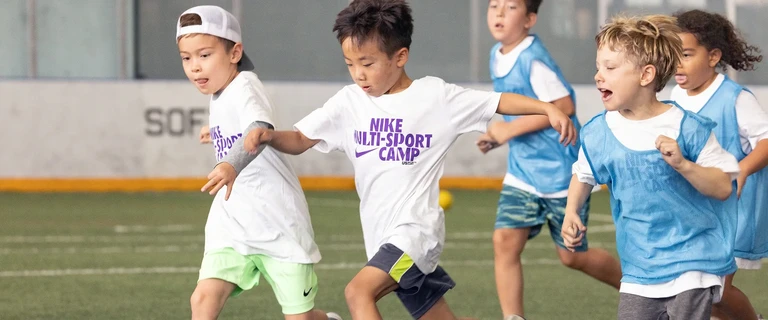
Multi-sport & Recreation Tip
What to Look for in a Sports Camp Coach
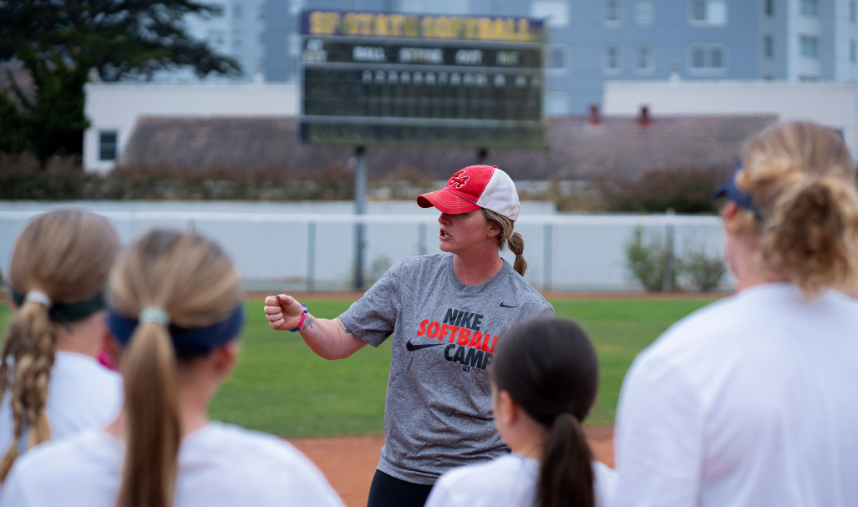
The coach is the single biggest variable in whether a week of camp changes anything.
US Sports Camps has been placing coaches in front of developing athletes since 1975, across 20+ sports and more than 175,000 athletes a summer. Fifty years of that produces a clear view of what separates a coach an athlete remembers forever from one they forget by August. This guide is that view, plus the questions you can ask any camp to find out which kind you are getting.
How US Sports Camps Selects Coaches
Starting here because it is the reference point for everything below.
Coaches across the US Sports Camps network are selected based on experience, communication skills, teaching ability, and alignment with youth development best practices, with credentials serving as one of many factors considered. The roster includes collegiate coaches at the D1, D2 and D3 levels, professional athletes, and former Olympians.
Those coaches set their own curriculum and program structure. US Sports Camps does not hand them a script, because the coaches are the expertise and a template would flatten exactly what makes them worth learning from. What US Sports Camps provides is the standard: how athletes are grouped, what ratios are acceptable, how feedback should feel, and the expectation that every week delivers real development and genuine fun at the same time.
Coaches who run Nike Sports Camps, provided by US Sports Camps, are held to that same standard.
Use it as a benchmark. Any camp you are considering should be able to describe its coaching standard with comparable specificity.
Why Coach Quality Matters More Than Everything Else
Youth sport development researchers have studied what separates camps that produce lasting improvement from camps that are enjoyable but forgettable. The answer, consistently, is the coach.
A 2019 review of youth coaching research published in the International Journal of Sports Science & Coaching found that coach behaviors, specifically feedback quality, emotional climate management and athlete-centered instruction, were the strongest predictors of both skill development and continued sport participation. Facility quality, program length and brand recognition had significantly smaller effects.
The practical implication: a motivated athlete with an excellent coach will develop faster in a modest gym than the same athlete with an average coach in a spectacular facility.
How Important Are Coach Credentials, Really
This is the most common question parents ask, and the honest answer is more nuanced than most camp marketing suggests.
Experience is the headline. Coaches who have competed or coached at the collegiate, professional or Olympic level bring firsthand knowledge of what athletic excellence looks and feels like, and how it gets built. That is not something a certificate captures. The US Sports Camps roster is built on this: D1, D2 and D3 collegiate coaches, professional athletes, and former Olympians.
Formal certifications are a useful signal, not a requirement. A coach who has invested in learning the craft of coaching, rather than just the sport, has told you something about how seriously they take the work. But certification varies enormously by sport and by region, and plenty of exceptional youth coaches do not hold sport-specific governing body credentials. Treating certification as a hard filter will screen out coaches your athlete would have loved.
Teaching ability outranks both. Knowing a sport at a high level is not the same as being able to teach it to a twelve-year-old. This is the factor most parents underweight and most camps underexplain.
What to ask: what is the background of your head coaches in this sport, how long have they been coaching youth athletes specifically, and what ages and levels have they primarily worked with?
What Does a Really Good Coach Actually Do at Camp
Strip away the resume and watch the behavior. Good camp coaches do a small number of things consistently.
They use athlete names, constantly. This sounds trivial and is not. An athlete who is known behaves differently from an athlete who is processed.
They give specific feedback instead of generic praise. "Good job" tells an athlete nothing they can repeat. "Great first step there, you read the play early" tells them exactly what worked.
They respond to mistakes with instruction. Not frustration, not silence, not exaggerated reassurance. Instruction.
They structure reps so athletes succeed at hard things. Confidence comes from competence and competence comes from repetition at the right difficulty. Getting that calibration right, week after week, across a range of ability levels, is the actual craft.
They make it fun without making it soft. The best coaches run demanding sessions that athletes describe afterward as the best week of their summer. Those two things are not in tension, and a coach who thinks they are will produce either a grind or a daycare.
They know when to push and when to back off. The most memorable confidence moments at camp come from an athlete doing something they did not believe they could do. Engineering those moments requires reading the individual athlete.
US Sports Camps coaches are chosen substantially on these behaviors rather than on playing resume alone.
How to Tell Whether Coaches Are Good Teachers, Not Just Good Players
A high-level playing career and an ability to teach are genuinely different things, and camps do not always distinguish between them in their marketing.
The questions that separate them:
- How long have they been coaching youth athletes, as distinct from playing?
- What do they do when a young athlete is frustrated or struggling?
- How do they adjust technical language for a ten-year-old versus a sixteen-year-old?
- Can they describe how they sequence a skill from simple to complex across a camp week?
- Do they coach year-round, or is this seasonal work?
If a camp answers all five specifically, its coaches are teachers. If the answers keep returning to where the coaches played, you have learned something too.
The best test available to a parent is observation. If a camp offers open practices or parent observation days, take it. Thirty minutes of watching a coach work will tell you more than any written description. Watch how they respond to mistakes, how often they use names, and whether athletes look engaged or anxious.
A Growth-Centered Coaching Philosophy
The hardest thing to verify and the most important. Philosophy is visible in how a coach responds to mistakes, how they give feedback, and what they actually celebrate.
Growth-centered coaches:
- Define success as improvement, not winning
- Respond to mistakes with instruction rather than criticism
- Praise effort, decision-making and courage alongside athletic outcomes
- Build an environment where athletes feel safe trying new things and failing
- Know each athlete's name, notice what they are working on, and acknowledge progress
Performance-obsessed coaches:
- Define success primarily by outcomes
- Respond to mistakes with frustration or shame
- Create an environment where failure feels costly, so athletes stop experimenting
- Treat athletes as roughly interchangeable
The research here is not ambiguous. The American Academy of Pediatrics has stated that a performance-obsessed coaching environment is associated with elevated dropout rates, increased anxiety and burnout, and higher rates of overuse injury. A growth-centered environment produces the opposite.
This is the environment US Sports Camps selects for and expects across its network.
How Camps Stay Consistent Across Coaches
Parents worry about variance: what if the camp is good but our particular coach is not?
A well-run network answers this with standards rather than scripts. At US Sports Camps, coaches bring their own curriculum and program structure, guided by shared best practices. What is held consistent is the expectation set: how athletes are grouped by age and ability, what athlete-to-coach ratios are acceptable, how feedback is delivered, how mistakes are handled, and what the culture should feel like from the athlete's side.
When evaluating any camp, ask directly: what is consistent across your coaches, and what is left to individual judgment? A program that has thought about it answers immediately. A program describing total uniformity usually means nobody is really coaching. A program describing total variance means nobody is really accountable.
Also worth asking: will athletes work with the same coaches all week, or does staff rotate? Both models can work, but you want to know which one you are buying.
Questions to Ask Before You Register
You have every right to ask in detail. A practical list:
Experience and background
- What is the background of your head coaches in this sport?
- Do your coaches work in coaching roles year-round, or is this seasonal?
- What ages and skill levels have they primarily worked with?
- Are your coaches current on first aid and CPR?
Philosophy and culture
- How do your coaches handle athlete mistakes during training?
- What does a typical feedback conversation look like at your camp?
- How do you handle an athlete who is struggling emotionally or feels excluded?
Ratios and access
- What is your typical athlete-to-coach ratio?
- Will athletes work with the same coaches throughout the week?
- Can I speak with a head coach before registering?
A camp that responds with confidence, specificity and warmth has thought seriously about what it is doing. Vague answers, defensiveness, or an inability to describe the coaching philosophy concretely are worth noting.
What Should Give You Pause
- Staff listed only by first name without background information
- No clear answer on athlete-to-coach ratio
- Coaching philosophy described only in outcomes
- Discouragement when you ask about coach qualifications
- Coaches described entirely by their own athletic careers with no mention of teaching young athletes
- No explanation of how coaches are selected or supported
Frequently Asked Questions
Does it matter if a camp coach played at a high level themselves?
It helps, and it is not the whole story. Some of the best youth coaches played college or professional sport; others did not. What matters more is whether they have invested in learning how to develop young athletes and whether they have a track record of doing it. US Sports Camps weights both, with teaching ability carrying real weight alongside playing and coaching background.
What is a good athlete-to-coach ratio?
For most sports, 8:1 to 12:1 allows meaningful individual attention. Contact sports and highly technical skills benefit from lower. Above 15:1, individual feedback becomes difficult and the developmental value drops noticeably.
Should I watch a coach in action before registering?
If the camp offers it, yes. Thirty minutes of observation beats any brochure.
Can I request a specific coach?
Policies vary. Most programs group athletes by age and skill and assign coaches accordingly. If you have a specific concern, contact the camp before registering; most will accommodate reasonable requests.
What if my athlete does not connect with their coach?
Good camps have a process. Ask before registering what happens if an athlete is struggling in their assigned group. Reputable programs work to find the right fit rather than leave an athlete somewhere that is not working.
Your Athlete Deserves a Coach Who Sees Them
The coaches your athlete meets in youth sports will shape how they think about effort, competition, failure and what they are capable of. That is not an overstatement. It is what the research shows and what athletes report decades later.
Choosing a camp with excellent coaches is the most important decision in this process. Ask the questions. The answers will tell you what you need to know.
For over 50 years, US Sports Camps has helped athletes of all levels grow their game, build confidence, and love sport through safe, fun, and expertly coached camps.
It Starts Here.
Find a US Sports Camps Program Near You
Sources: American Academy of Pediatrics (aap.org), International Journal of Sports Science & Coaching, Aspen Institute Project Play, US Sports Camps (ussportscamps.com)