
Multi-sport & Recreation Tip
How to Choose the Right Level Camp for Your Athlete: Beginner through Advanced
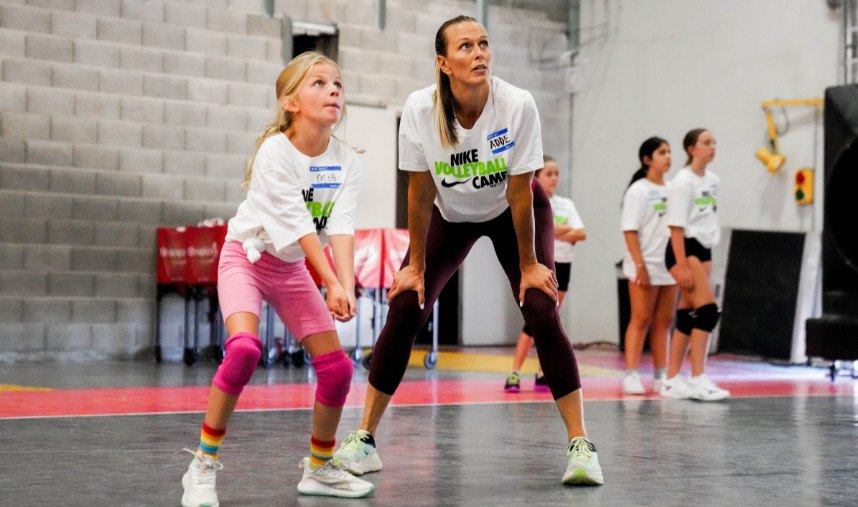
The most common question US Sports Camps gets from parents is some version of: how do I know this camp is the right level for my kid?
It is the right question. A camp pitched too high is demoralizing. Pitched too low, it is boring. Getting it right is the difference between an athlete who comes home talking about camp for a month and one who shrugs.
US Sports Camps has been running all-skills programs since 1975 and now brings more than 175,000 athletes to camp every summer across 20+ sports. Here is how levels actually work, and how to place your athlete well.
What an All-Skills Camp Is, and Who It Is For
An all-skills camp serves athletes at every level, beginner through advanced, in the same program week.
The majority of US Sports Camps programs are all-skills. At kickoff, coaches group athletes by age and ability so instruction lands at the right difficulty: never too easy, never discouragingly hard. Coach-to-athlete ratios are kept low so coaches can actually meet each athlete where they are.
The goal of every US Sports Camps week is the same regardless of level: athletes gain real skills, build confidence, and come away liking their sport more than when they arrived. Whether your athlete is brand new or starting on the varsity squad, an all-skills camp is built to deliver that.
How Athletes Get Grouped by Skill Level
This is the mechanic that makes everything else work, and most camps explain it poorly.
At US Sports Camps, the coaching staff evaluates athletes at the start of camp and places them into instructional groups based on skill and age. Staff adjust those groups through the week as needed, because first-day evaluation is a snapshot and athletes reveal more as the week goes on.
The evaluation is deliberately low-key. It is not a tryout, and nothing is at stake. It is a way to gauge levels, so every athlete has a good week and leaves with as much improvement as possible. Athletes are told this directly, because an evaluation that feels high-stakes produces exactly the guarded, cautious performance that makes accurate grouping harder.
Research in youth sport supports the approach: ability grouping improves performance and leads to faster skill development. US Sports Camps coaches see the same thing in practice, week after week. Age- and skill-appropriate groups build confidence and make athletes far more willing to try things they would not attempt in a mismatched group.
When evaluating any camp, ask: how do you group athletes, when do you do it, and what happens if the placement is wrong? A camp without a clear answer is probably running one group for everybody.
How Strong Camps Handle Mixed Skill Levels in One Group
Sometimes grouping cannot fully separate levels, particularly in smaller programs or less-common sports. What separates strong camps from weak ones is what they do then.
They differentiate within the drill. The same station runs at three difficulties simultaneously: a beginner works on the fundamental version, an advanced athlete works on the same skill under added pressure or constraint. Everyone is busy, nobody is idle, and nobody is embarrassed.
They use advanced athletes as demonstrators, not as a benchmark. There is a real difference between "watch how she does it" and "why can't you do it like she does." The first builds the group. The second breaks it.
They protect competitive game time. Small-sided games get sorted by level even when instruction does not, because that is where a mismatch does the most damage to confidence.
They watch for the athlete going quiet. The clearest sign of bad level fit is not frustration, it is withdrawal. Coaches trained to notice it can move an athlete before the week is lost.
US Sports Camps treats all four as coaching standards rather than nice-to-haves. Individual coaches bring their own curriculum and program design; what is expected across the network is that mixed levels get handled deliberately, not ignored.
Will My Athlete Feel Behind as a Beginner?
This is the question athletes ask, usually not out loud, and it deserves a direct answer: no, if the camp is built correctly.
At an all-skills US Sports Camps week, beginners are never dropped in with older or more experienced players. They train in their own group with coaching pitched to their actual starting point. The advanced athletes are on a different field or a different court doing something else entirely.
More than that: camp is one of the better places to start a sport. It is a smaller commitment than signing up for a whole season, the practice is concentrated, and beginners often experience faster growth in a week than they would in two months of weekly practice. There is also something specific about being surrounded by other people who are also working on something hard. Struggling stops feeling like a personal failing when it is what the whole field is doing.
The most common outcome US Sports Camps coaches report from beginners: they come home talking nonstop, and they want to sign up again.
Can Beginners Actually Have Fun at Sports Camp?
Yes, and this deserves more than a yes.
Fun is not the consolation prize for athletes who are not good yet. It is the mechanism. An athlete who enjoys the week practices harder, takes more risks, and returns next summer, which is what actually produces development over time. US Sports Camps builds programs on the belief that real development and genuine fun are not a tradeoff, and beginners are the clearest case for it.
What makes a week fun for a beginner specifically:
- Grouped with peers at a similar level, so effort is visible and comparison is not brutal
- Enough repetitions to feel measurable improvement by Wednesday
- Small-sided games where they actually touch the ball rather than watch
- A coach who knows their name by the end of day one
- Evening programming at overnight camps that has nothing to do with skill level
If a camp cannot describe how it does these five things for a first-timer, it is probably built for the athletes who are already good.
Sending Siblings at Different Levels
A common situation rarely addressed.
All-skills camps handle this well because the grouping is built in. A beginner and an experienced competitor can attend the same US Sports Camps week, train in entirely different groups with instruction pitched to each, and still share meals, evening programming and the ride home. That is usually the best of both.
What to confirm before registering:
- Will they be placed in separate instructional groups if their levels differ?
- Can they still be together outside of training?
- Does the sibling discount apply across different programs in the same week?
US Sports Camps offers sibling discounts; ask when you register.
When an Advanced or Elite Camp Makes Sense
Most US Sports Camps programs are all-skills. There is also a selection of advanced and elite programs for experienced athletes who want deeper tactical training, higher-intensity work, and coaching focused on competitive performance.
These have specific skill or experience requirements and suit athletes who already compete on club, travel or high school varsity teams. Beginners and casual players will usually make more progress, and have a better week, in an all-skills camp where the pace matches their level.
Signs your athlete is ready for an advanced program:
- They consistently play on a competitive club, travel or varsity team
- They have a solid grasp of fundamentals
- They are comfortable in fast-paced drills and competitive scrimmages
- They are asking about it
That last one carries more weight than the others. The richest growth tends to happen when the athlete is the one seeking out a harder environment. If your athlete has started asking how to get better faster, it may be the moment to look at advanced programs near you.
What a College ID Camp Does
US Sports Camps College ID programs are for high school athletes exploring college recruitment. Attending puts your athlete in front of NCAA coaches building rosters, and they train directly with college coaches, which is worth something on its own regardless of recruitment outcomes.
These typically include a parent session on the NCAA recruiting process and rules, plus an athlete session covering recruiting basics and college admissions. You receive a list of attending coaches in advance.
If your athlete has serious college aspirations, a College ID camp is a strong way to meet coaches and experience the sport alongside other college-bound athletes.
The Bottom Line
For most young athletes, an all-skills camp is the right starting point and often the right choice for years. The mix of fundamentals, challenge and fun, with groups tailored to age and ability, is what produces both development and the desire to keep going.
For older athletes competing seriously who want a higher-intensity environment, an advanced program is a good next step. For high school athletes actively exploring college opportunities, College ID camps put them in front of NCAA coaches.
US Sports Camps runs all three across 20+ sports. For over 50 years, we have helped athletes of all levels grow their game, build confidence, and love sport through safe, fun, and expertly coached camps.
Your Next Level Starts Here.